
In today’s fast-paced, tech-driven world, AI recruitment tools are transforming how companies hire talent, streamlining processes, and enhancing decision-making. With significant adoption in the United States, these tools are reshaping recruitment by addressing challenges like high candidate volumes, skill shortages, and the need for unbiased hiring. According to a Korn Ferry report, 64% of recruitment leaders leverage AI to save time, highlighting its growing prominence. This article explores how AI-powered hiring is revolutionizing recruitment, its benefits, challenges, and real-world applications, with insights from industry leaders like Vouchfor.
The Rise of AI Recruitment Tools: A Global and U.S. Perspective
The recruitment landscape is evolving rapidly, driven by the demand for speed, precision, and diversity. In the U.S., where the unemployment rate stands at 4.2% as of July 2026, recruiters face intense competition to attract top talent. AI recruitment tools are addressing these challenges by automating repetitive tasks, improving candidate experiences, and enabling data-driven decisions.

Globally, companies are adopting AI to navigate diverse talent markets, but the U.S. leads due to its tech-forward economy and innovative startups. Platforms like Vouchfor are at the forefront, offering AI-driven hiring solutions that prioritize efficiency and fairness, making them essential for staying competitive in the global talent market.
How AI is Transforming the Recruitment Process
AI is revolutionizing every stage of recruitment, from sourcing to onboarding. Here’s how AI-powered hiring is reshaping the process globally and in the U.S.:

1. AI-Powered Candidate Sourcing
Traditional sourcing methods, like job boards and manual resume reviews, are time-consuming. AI recruitment tools use advanced algorithms to scan vast datasets, including LinkedIn, social media, and internal databases, to identify candidates matching job requirements. Vouchfor, for example, leverages AI to recommend candidates aligned with specific roles, saving recruiters hours.
In the U.S., where competition for specialized talent in tech and healthcare is fierce, AI sourcing tools tap into passive candidate pools—professionals open to opportunities but not actively job-hunting. This is critical in industries like software development, where 70% of U.S. tech jobs are filled through passive recruiting.
2. AI Candidate Screening and Assessment
Screening resumes is labor-intensive, but AI-powered hiring tools automate this by analyzing resumes for keywords, skills, and experience. Vouchfor’s platform evaluates candidates based on customizable criteria, reducing bias and improving match accuracy.
Globally, AI screening tools manage high application volumes, while in the U.S., they support diversity and inclusion by focusing on skills over subjective factors like names or backgrounds. Proper calibration is key to avoiding biases in training data, a challenge we’ll address later.
3. Enhanced Candidate Experience
A seamless candidate experience is vital for attracting talent. AI-powered chatbots and virtual assistants, like those in Vouchfor’s platform, provide 24/7 communication, answering queries, scheduling interviews, and offering updates. In the U.S., where candidates expect tech-driven interactions, 78% of job seekers say a responsive hiring process influences their decision to accept an offer, per a CareerBuilder survey.
Globally, AI-driven personalization delivers tailored job recommendations and feedback, fostering engagement across regions.
4. Predictive Analytics for Better Hiring Decisions
AI’s predictive analytics assess candidate success based on historical data, performance metrics, and cultural fit. Vouchfor’s tools help U.S. companies reduce turnover—costing $4,000 per employee on average—by identifying candidates likely to excel. Globally, AI forecasts talent trends, such as demand for data scientists or renewable energy specialists, enabling proactive recruitment.
5. Streamlined Onboarding
AI enhances onboarding by personalizing training programs. Vouchfor’s platform creates customized onboarding plans, ensuring quick integration. In the U.S., where 20% of turnover occurs within 45 days, this is critical for retention.
Top AI Recruitment Tools for 2026
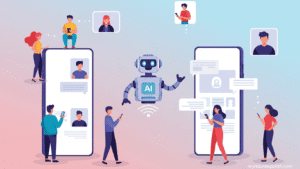
Here’s a curated list of leading AI recruitment tools with key features:
-
Paradox (Olivia): Conversational AI for candidate engagement, screening, and scheduling.
-
HireVue: AI-driven video interviewing with behavioral insights for high-scale hiring.
-
Eightfold AI: Deep learning for skills-based matching and talent intelligence.
-
SeekOut: AI-powered sourcing with diversity filters, accessing 800M+ profiles.
-
Fetcher: Automates sourcing and outreach with personalized engagement.
-
Workable: AI-enhanced ATS with candidate scoring and video interviews for SMBs.
-
Manatal: Budget-friendly ATS with AI candidate recommendations.
-
Recruit CRM: Combines ATS and CRM with AI-driven job descriptions.
-
Skillate: Automates resume screening with contextual understanding.
-
Textkernel: Multilingual resume parsing for global sourcing.
-
Sapia.ai: Chat-based AI for unbiased soft skills analysis.
-
Interviewer.ai: AI-driven video interviews with analytics.
-
Talocity: Touchless AI interviews with psychometric analysis.
-
Panna: Specializes in technical hiring with live coding assessments.
-
Datapeople: Crafts inclusive, SEO-optimized job descriptions.
-
Narrato: AI-generated job descriptions aligned with brand needs.
-
Findem: Sources candidates with 3D profiles and diversity-focused analytics.
-
Senseloaf: AI matching with scheduling and forecasting.
-
Transformify ATS: AI-powered ATS with global compliance.
-
Recooty: Intuitive ATS with AI job descriptions for small businesses.
Benefits of AI Recruitment Tools

AI-powered hiring offers significant advantages:
-
Time Savings: AI reduces time-to-hire, with 64% of recruitment leaders reporting efficiency gains (Korn Ferry).
-
Cost Efficiency: Automation cuts hiring costs, critical in the U.S., where expenses can exceed $10,000 per role.
-
Improved Quality of Hire: Data-driven matching boosts retention and productivity.
-
Bias Reduction: Ethical AI tools promote diversity by focusing on skills.
-
Scalability: AI handles large candidate volumes, ideal for global and U.S. firms.
Challenges and Ethical Considerations
Despite its benefits, AI recruitment tools face challenges:
1. Bias in AI Algorithms
AI can perpetuate biases if trained on flawed data. In the U.S., compliance with EEOC guidelines is critical. Vouchfor mitigates this by allowing customizable criteria and regular algorithm audits.
2. Candidate Privacy
AI tools process sensitive data, raising concerns under laws like the CCPA in the U.S. and GDPR globally. Vouchfor ensures compliance with regional privacy standards.
3. Over-Reliance on Technology
Overusing AI can depersonalize hiring, especially in the U.S., where candidates value human interaction. Balancing AI with human oversight is key.
4. Implementation Costs
Small businesses may find AI tools costly, but scalable platforms like Vouchfor offer affordable solutions.
Real-World Applications: Insights from Vouchfor
Vouchfor leads in AI-driven hiring, offering:
-
Smart Candidate Matching: Recommends best-fit candidates, reducing screening time.
-
Automated Interview Scheduling: Coordinates across time zones for global and U.S. teams.
-
Bias Mitigation: Prioritizes skills for diverse hiring.
-
Analytics Dashboard: Provides insights into hiring trends and pipelines.
Vouchfor has reduced time-to-hire by up to 40% for U.S. tech firms and supports multilingual interactions for global corporations.
The Future of AI in Recruitment

Emerging trends in AI recruitment tools include:
-
Natural Language Processing (NLP): Enables sophisticated candidate interactions, like AI-driven mock interviews.
-
Video Analysis: Assesses soft skills in video interviews, critical in the U.S. market.
-
Personalized Learning: Tailors onboarding programs for better outcomes.
-
AR/VR Integration: Future tools may offer virtual job simulations.
Early adopters in the U.S. and globally will gain a competitive edge by leveraging these trends.
Best Practices for Implementing AI Recruitment Tools

To maximize AI-powered hiring, companies should:
-
Choose scalable tools like Vouchfor.
-
Communicate AI usage to build candidate trust.
-
Regularly audit algorithms for fairness.
-
Balance AI efficiency with human empathy.
-
Ensure compliance with EEOC and GDPR regulations.
Conclusion
AI recruitment tools are transforming hiring worldwide, with significant impact in the U.S. By automating tasks, reducing bias, and enhancing candidate experiences, platforms like Vouchfor help businesses build better teams faster. Addressing challenges like bias and privacy is crucial for success. As AI evolves, its potential to create fairer, more efficient hiring processes is limitless. For recruiters, embracing AI-powered hiring is essential to stay ahead in the talent race.