
If you’re applying for jobs and hearing nothing back, this article will help you identify what’s going wrong and how to fix it.
Top Resume Mistakes That Get You Rejected by HR (And How to Fix Them Fast)
1. Sending the Same Resume for Every Job
One of the biggest resume mistakes is using a generic resume for all job applications. HR looks for candidates whose resumes closely match the job description.
When your resume doesn’t align with the role, it gets rejected quickly—sometimes even before HR sees it.
What to do instead:
Customize your resume for each job by adjusting keywords, skills, and experience relevant to the role.
2. Not Using an ATS-Friendly Resume Format
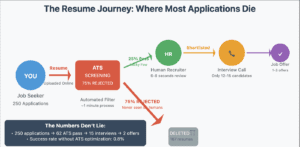
Most companies use Applicant Tracking Systems (ATS) to screen resumes. If your resume isn’t ATS-friendly, it may never reach HR.
Common ATS resume mistakes include:
-
Tables, graphics, and icons
-
Fancy fonts
-
Headers and footers with important details
What to do instead:
Use a simple layout with standard headings, clean fonts, and keyword-optimized content.
3. Poor Formatting and Cluttered Layout
HR professionals spend only a few seconds scanning each resume. If your resume looks messy or hard to read, it’s rejected immediately.
What to do instead:
-
Use bullet points
-
Maintain proper spacing
-
Keep the resume to 1–2 pages
-
Use a clean and professional design
4. Spelling and Grammatical Errors
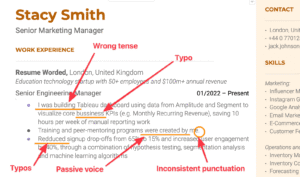
Even a single typo can create a negative impression. This is one of the most common resume mistakes that get you rejected by HR.
Errors suggest carelessness and lack of attention to detail.
What to do instead:
Proofread multiple times, use grammar tools, and get your resume reviewed by a professional.
5. Listing Responsibilities Instead of Achievements
Many resumes only describe job duties without showing impact.
For example:
❌ “Handled team operations”
✅ “Led a team of 8 and improved productivity by 20%”
What to do instead:
Focus on achievements, results, and measurable outcomes using numbers wherever possible.
6. Weak or Generic Resume Summary
Your resume summary decides whether HR will continue reading or move on.
Common mistakes include:
-
Being too long
-
Using generic statements
-
Not mentioning role-specific skills
What to do instead:
Write a concise summary highlighting your role, experience, key skills, and major achievements.
7. Missing Important Keywords
HR and ATS systems search for specific keywords related to the job role. If your resume lacks these keywords, it gets filtered out.
What to do instead:
Carefully review the job description and include relevant skills, tools, and industry terms naturally in your resume.
8. Adding Unnecessary Personal Information
Including details like marital status, religion, full home address, or an unrequired photo can hurt your chances.
HR does not need this information, and it may lead to unconscious bias.
What to do instead:
Include only essential details such as name, contact information, and professional profiles.
9. Using an Unprofessional File Name or Format
Submitting your resume with names like “resume_final_new.docx” looks unprofessional and careless.
What to do instead:
Save your resume as a PDF with a clear file name like:
FirstName_LastName_Resume.pdf
10. Not Updating Your Resume Regularly
An outdated resume with old skills and experiences tells HR that you’re not actively managing your career.
What to do instead:
Update your resume regularly, especially after gaining new skills, certifications, or responsibilities.
Conclusion
Most candidates don’t get rejected because they lack talent—they get rejected because of resume mistakes that get you rejected by HR. A well-structured, ATS-friendly, and keyword-optimized resume can significantly improve your chances of getting interview calls.
If you’re not getting responses, review your resume carefully. Fixing these mistakes could be the difference between rejection and selection.