
In today’s competitive job market, your resume is more than just a document—it is your personal marketing tool. Recruiters receive hundreds of applications for a single role, and most resumes get only a few seconds of attention. This makes the difference between a professional resume and a normal resume extremely important. Understanding this difference can significantly improve your chances of getting shortlisted.
This article explains the real difference between a professional resume and a normal resume, why recruiters clearly prefer one over the other, and how your resume choice impacts your job search results.
What Is a Normal Resume?
A normal resume is usually created without much planning or understanding of recruiter expectations. It is often made using basic templates found online or written in a simple Word or PDF format without optimization.
Table of Contents
ToggleKey Characteristics of a Normal Resume
-
Generic resume format
-
Same resume used for all job roles
-
Focuses mainly on job duties
-
Limited or no keyword optimization
-
Long paragraphs and cluttered layout
-
Not designed for ATS systems
A normal resume may look acceptable to the candidate, but it rarely communicates value to recruiters. It tells what you did, not how well you did it.
What Is a Professional Resume?
A professional resume is a strategically written and well-structured document designed to meet modern hiring standards. It is created by understanding recruiter behavior, job descriptions, and Applicant Tracking Systems (ATS).
Key Characteristics of a Professional Resume
-
ATS-friendly structure and formatting
-
Role-specific keywords
-
Clear and strong professional summary
-
Achievement-based bullet points
-
Clean, modern, and readable design
-
Customized according to job role and industry
A professional resume highlights your skills, experience, and achievements in a way that recruiters can quickly understand and trust.
Professional Resume vs Normal Resume: Core Differences
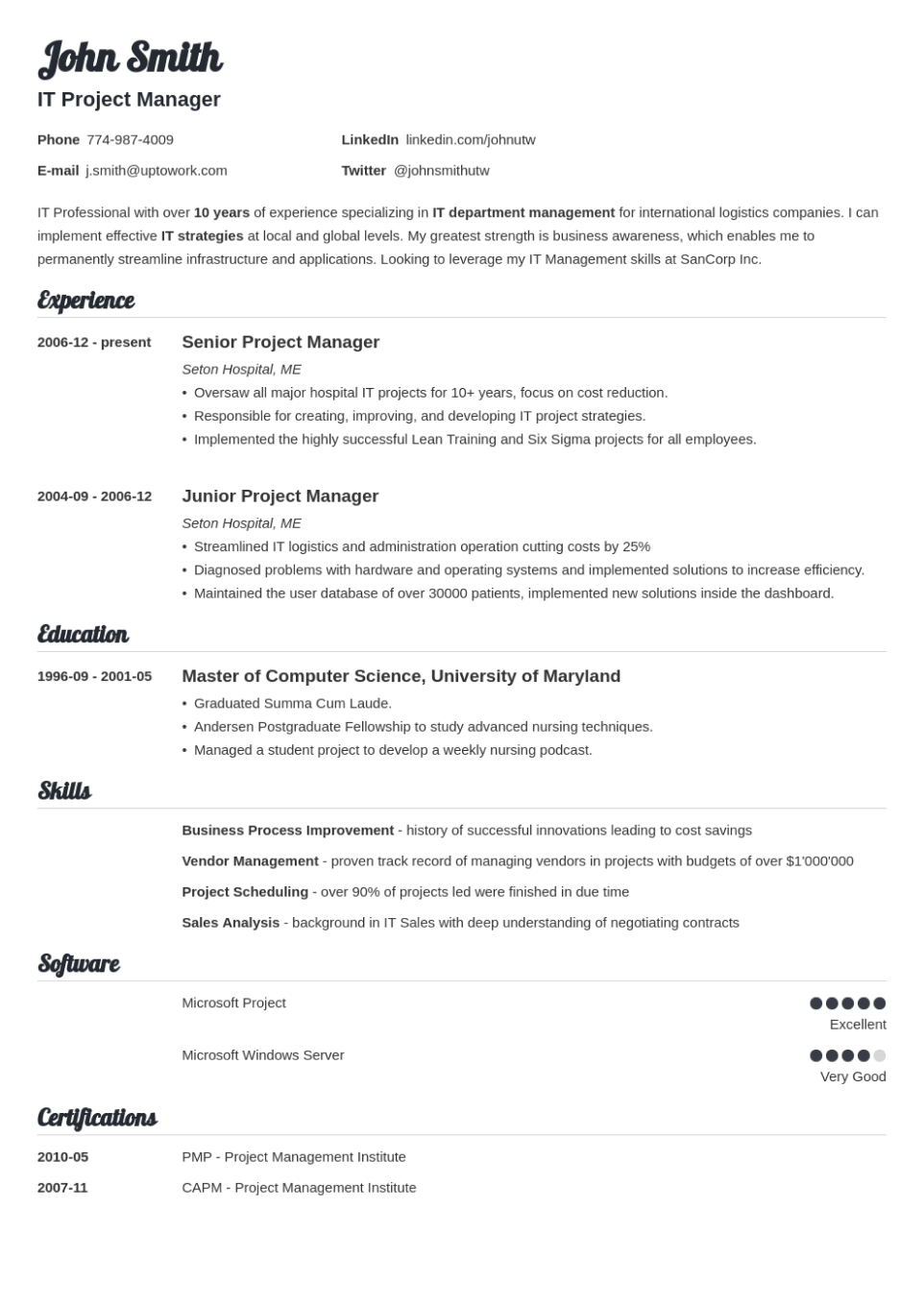


1. Formatting and Structure
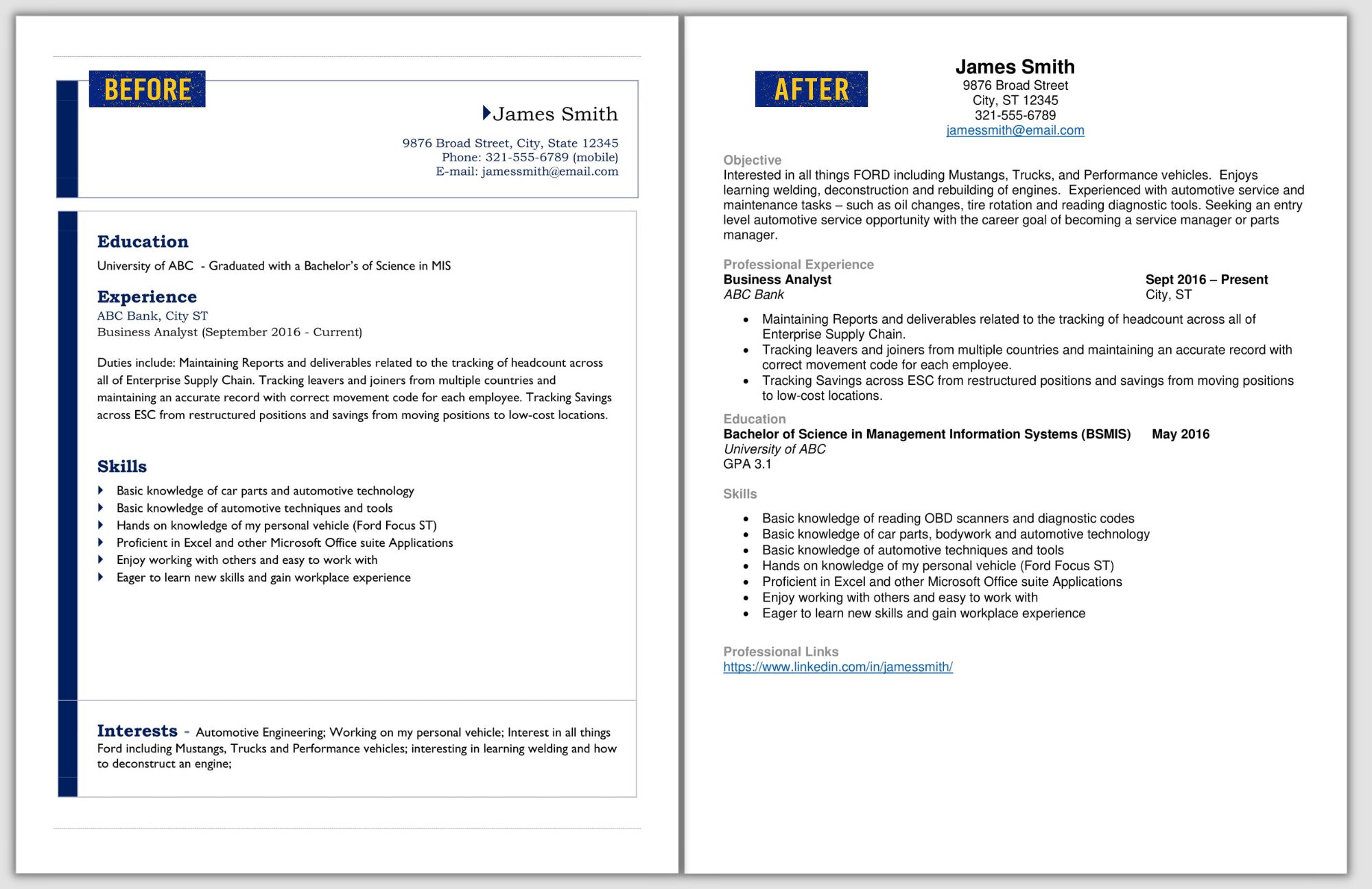
A normal resume often uses outdated fonts, excessive colors, or poor alignment. A professional resume follows a clean layout with consistent headings, bullet points, and spacing, making it easy to scan within seconds.
2. Content Quality
Normal resumes list responsibilities, while professional resumes focus on measurable achievements and outcomes. Recruiters prefer candidates who show results rather than routine tasks.
3. Keyword Optimization
Professional resumes include job-specific keywords that help them pass ATS filters. Normal resumes usually lack keyword strategy and get rejected automatically.
4. Customization
A normal resume is often sent to multiple companies without changes. A professional resume is customized for each role, increasing relevance and shortlisting chances.
Why Recruiters Prefer Professional Resumes
Recruiters look for clarity, relevance, and efficiency. A professional resume delivers all three.
Quick Information Access
Recruiters spend very little time on each resume. A professional resume allows them to quickly find:
-
Relevant experience
-
Required skills
-
Role alignment
Better ATS Performance
Most companies use ATS software to screen resumes. Professional resumes are designed to work with these systems, while normal resumes often fail before reaching a human recruiter.
Stronger First Impression
A professional resume shows that the candidate is serious, organized, and aware of industry standards. This immediately improves credibility.
ATS-Friendly Resume: A Major Advantage
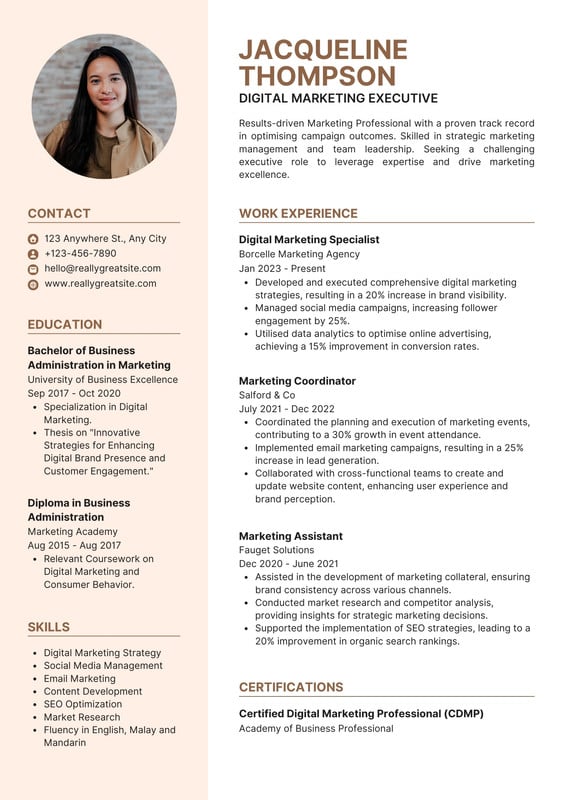

Applicant Tracking Systems scan resumes for specific keywords, formatting rules, and structure. Professional resumes are built to:
-
Use standard headings
-
Avoid tables and graphics that confuse ATS
-
Match job description keywords naturally
Normal resumes often use designs or content styles that ATS cannot read properly, leading to rejection.
Impact on Interview Shortlisting
Candidates using professional resumes typically receive:
-
More recruiter calls
-
Faster shortlisting
-
Better role alignment
Normal resumes reduce visibility, even if the candidate is qualified. Recruiters may never see the resume due to ATS filtering.
Professional Resume for Freshers
Freshers often believe they do not need a professional resume due to limited experience. This is a common mistake.
A professional resume helps freshers by:
-
Highlighting internships and academic projects
-
Showcasing skills clearly
-
Presenting career direction
It allows freshers to compete effectively in a crowded job market.
Professional Resume for Experienced Professionals
For experienced candidates, a professional resume:
-
Shows career progression
-
Highlights leadership and impact
-
Supports salary negotiation
Normal resumes fail to showcase growth and achievements properly, limiting career advancement.
Common Mistakes in Normal Resumes
-
Writing long paragraphs instead of bullet points
-
Using the same resume for different roles
-
Including irrelevant personal details
-
Poor grammar and formatting
-
No measurable achievements
Professional resumes eliminate these issues completely.
Is a Professional Resume Worth the Investment?
Yes. A professional resume is not an expense—it is a career investment.
It saves time during job search, improves recruiter response, and increases interview conversion rates. In competitive industries, a professional resume often becomes a necessity rather than a choice.
Final Comparison: Professional Resume vs Normal Resume
| Aspect | Normal Resume | Professional Resume |
|---|---|---|
| Recruiter Preference | Low | High |
| ATS Compatibility | Poor | Excellent |
| Keyword Optimization | Minimal | Strong |
| Interview Calls | Few | More |
| Career Growth Support | Limited | Strong |
Conclusion
When comparing professional resume vs normal resume, the preference of recruiters is very clear. Recruiters want resumes that are easy to read, relevant to the role, and optimized for modern hiring systems. A professional resume meets these expectations, while a normal resume often falls short.
In a job market where competition is high and attention spans are short, upgrading to a professional resume can significantly improve your job search success. If your goal is to get noticed, shortlisted, and hired faster, a professional resume is the smarter and more effective choice.