
Let’s be honest—nothing is more frustrating than applying to dozens of jobs and hearing… nothing.
No calls. No emails. Just silence.
If your resume is not getting interview calls, the issue is usually not your experience. In most cases, resumes fail because they are rejected by ATS systems, lack the right keywords, or are poorly structured for recruiter scanning.
After reviewing thousands of resumes for recruiters and hiring managers, one thing is clear: small resume mistakes can completely block interview shortlists, even for highly qualified candidates.
In this guide, you’ll learn 9 real reasons your resume is getting ignored—and exactly how to fix each one, with practical steps you can apply immediately.

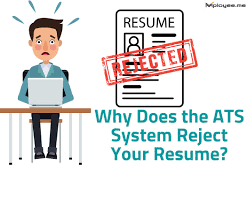
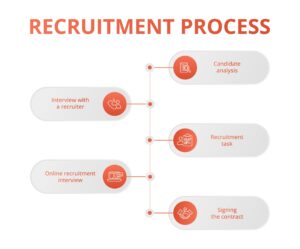
1. Your Resume Is Not ATS-Friendly; Resume Is Not Getting Interview Calls
What’s going wrong
Most companies use Applicant Tracking Systems (ATS) to screen resumes before a human ever sees them. If your resume can’t be read properly by ATS software, it gets rejected automatically.
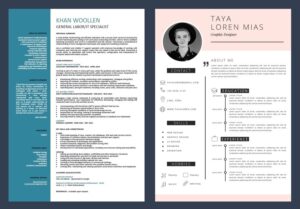
Common ATS blockers include:
-
Tables and text boxes
-
Two-column layouts
-
Icons, graphics, or logos
-
Images or design-heavy templates
How to fix it
-
Use a simple, single-column layout
-
Stick to standard fonts like Calibri, Arial, or Times New Roman
-
Save your resume in PDF or DOCX (as mentioned in the job post)
-
Use clear section headings:
-
Professional Summary
-
Work Experience
-
Skills
-
Education
-
👉 Read this detailed guide on best ATS-friendly resume formats for freshers in India:
https://myresumepolish.com/best-resume-format-for-freshers-in-india-with-examples/
2. You’re Using the Same Resume for Every Job
What’s going wrong
Recruiters can spot a generic resume in seconds. If your resume doesn’t match the job description, it gets skipped—fast.
A one-size-fits-all resume works for no one.
How to fix it
-
Customize your resume for each role
-
Match keywords from the job description
-
Reorder skills and experience based on job relevance
Example:
If a role emphasizes GST compliance but your resume highlights only data entry, your resume will be ignored—even if you’re capable.
👉 Learn how to customize your resume for every job application:
https://myresumepolish.com/how-to-customize-your-resume-for-every-job-application/
3. Your Resume Lacks the Right Keywords
What’s going wrong
Recruiters don’t read resumes word by word. They scan for keywords.
If your resume doesn’t contain the terms recruiters search for, it won’t appear in ATS results or recruiter searches.
How to fix it
Identify keywords from:
-
Job descriptions
-
LinkedIn job postings
-
Naukri or Indeed listings
Include both:
-
Skill-based keywords (GST filing, Tally, SAP, Excel)
-
Role-based keywords (Accountant, CRM Analyst, MIS Executive)
Use keywords naturally inside experience points—never stuff them.
4. Your Resume Is Too Long or Too Short
What’s going wrong
Recruiters spend 6–8 seconds on the first resume scan.
-
Long resumes get skipped
-
Short resumes lack credibility
How to fix it
-
0–5 years experience: 1 page
-
6–12 years experience: 1.5–2 pages
-
Senior professionals: Max 2 pages
Remove:
-
School-level details
-
Irrelevant roles
-
Repetitive duties
Keep:
-
Results
-
Tools used
-
Role-specific achievements
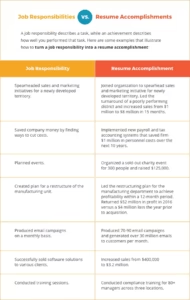
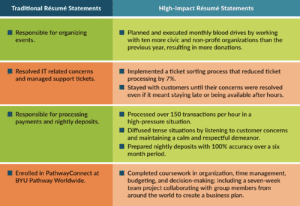
5. You’re Listing Duties Instead of Results
What’s going wrong
Most resumes sound like job descriptions:
-
“Handled GST”
-
“Responsible for accounts”
This tells recruiters what you did, not how well you did it.
How to fix it
Use impact-driven bullet points.
Before:
Handled GST returns
After:
Filed GSTR-1 and GSTR-3B for 4 entities with 100% on-time compliance
Numbers add credibility.
6. Your Professional Summary Is Weak or Missing
What’s going wrong
Your summary is the first section recruiters read, yet many candidates waste it.
Avoid lines like:
-
“Hardworking professional seeking growth”
-
“Looking for challenging opportunities”
How to fix it
Write a 3–4 line value-driven summary:
-
Who you are
-
What you specialize in
-
Your key skills
-
Your impact
Example:
Detail-oriented Accountant with 5+ years of experience in trading companies, specializing in GST compliance, Tally ERP, and bank reconciliation. Proven record of improving audit readiness and reducing filing errors.
7. Your Resume Has Errors and Formatting Issues
What’s going wrong
Spelling mistakes, inconsistent fonts, and poor spacing signal carelessness.
Recruiters think:
“If they didn’t check their resume, how will they handle work?”
How to fix it
-
Manually review spelling
-
Use the same font throughout
-
Keep consistent bullet points and spacing
-
Ask someone else to review it
👉 Read why recruiters prefer professional resumes over normal resumes:
https://myresumepolish.com/professional-resume-vs-normal-resume-what-recruiters-prefer/
8. Your Experience Doesn’t Match the Target Role
What’s going wrong
Recruiters won’t assume you can do the job if your experience appears misaligned.
Example:
Applying for a CRM Business Analyst role
Resume focuses only on data entry
Result: rejection.
How to fix it
-
Align experience with the target role
-
Highlight transferable skills
-
Rename sections like “Relevant Experience” if needed
This is positioning—not lying.
9. Your Resume Isn’t Supported by a Strong Online Presence

What’s going wrong
Recruiters Google candidates.
If your LinkedIn profile:
-
Is incomplete
-
Doesn’t match your resume
-
Looks inactive
…it creates doubt.
How to fix it
-
Optimize your LinkedIn headline with keywords
-
Match resume and LinkedIn content
-
Add skills, certifications, and role descriptions
👉 Follow this complete guide on applying for jobs via LinkedIn:
https://myresumepolish.com/how-to-apply-for-jobs-on-linkedin-a-complete-guide-for-job-seekers/
Common Resume Mistakes (Quick Recap)
Avoid these:
-
Using the same resume everywhere
-
Ignoring ATS rules
-
Writing vague descriptions
-
Overloading irrelevant details
-
Forgetting keywords
FAQs: Resume Shortlisting Questions
Why do qualified candidates not get interview calls?
Because resumes often fail ATS checks, lack keywords, or don’t show measurable impact.
Does resume format affect shortlisting?
Yes. Clean, ATS-friendly formats outperform design-heavy resumes.
Should I add a photo to my resume?
Only if the employer or job market explicitly expects it.
Final Takeaway: Fix the Resume, Fix the Results
If your resume is not getting interview calls, the market is not the problem—the resume is.
The good news?
Resumes are fixable.
Start by:
-
Making it ATS-friendly
-
Customizing it for each role
-
Focusing on results, not duties
-
Aligning it with recruiter expectations
Do this right, and interview calls follow.
If you want, you can:
-
Audit your resume against a job description
-
Rewrite your professional summary
-
Optimize your resume for ATS and recruiters
Because a strong resume doesn’t beg for attention—it earns it.